The exchange of digital assets across borders has become a viable solution for individuals seeking foreign currency. For a 20-dollar card associated with a major American telecommunications provider, the market in Nigeria offers several pathways for conversion. These services operate on complex algorithms that determine the card's validity and current exchange rate. It is essential for the user to understand that the value of the card is calculated based on its denomination and the specific balance remaining at the time of the sale.
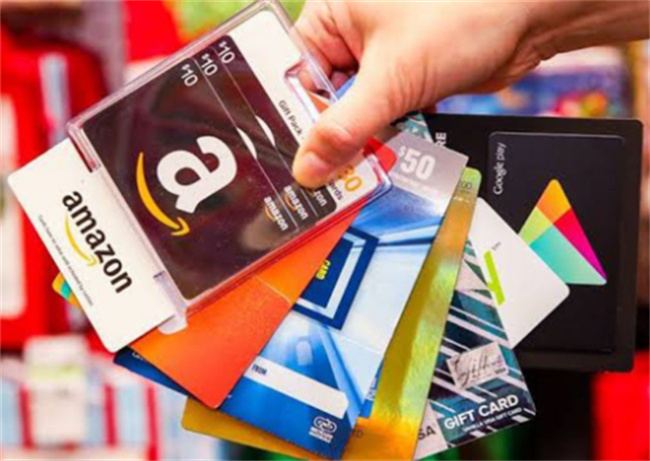
To successfully initiate the transaction, the seller must possess the card's PIN and a government-issued ID for verification purposes. The technical platform scans the card to verify the balance and ensure that the funds are accessible. In the Nigerian context, the payout is typically converted to Naira based on the prevailing dollar rate. Users should ensure that their internet connection is stable during the upload process to prevent errors in the system's verification of the card's balance.
Safety protocols are integrated into these digital exchanges to prevent fraudulent activities and money laundering. It is crucial to use platforms that have established reputations and secure data encryption. While selling a 20-dollar card seems straightforward, the process involves a degree of trust between the buyer and seller. By adhering to the platform's guidelines and ensuring all documentation is clear, one can efficiently monetize the card without compromising personal security or facing rejection of the transaction.